Rider-Waite-Tarot

Entdecke die Botschaften, die das Universum für dich hat

0/500

Try Rider-Waite Tarot now for free. Online reading with AI interpretation in seconds, no signup required.

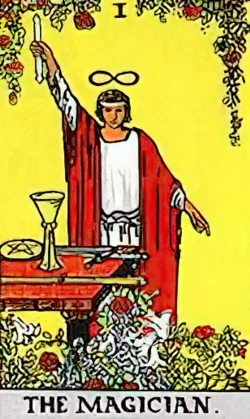
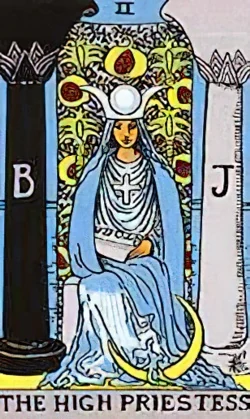
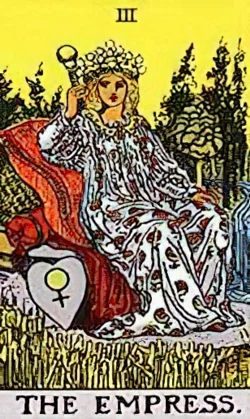
The Rider-Waite tarot is the most widely read tarot deck in the Western world and the most influential in modern tarot history. It was published in 1909 by London publisher Rider & Company, conceived by Arthur Edward Waite — British occultist, member of the Hermetic Order of the Golden Dawn — and illustrated by Pamela Colman Smith, Jamaican-British artist whose name was forgotten for decades and is finally being recognized today (many now call it "Rider-Waite-Smith").

The innovation that made Rider-Waite the reference was simple and radical: each of the 78 cards has figurative illustration, including the 56 minor arcana. Before Smith, the suits showed only the number of swords, cups, wands, or pentacles (like in a playing card deck). Smith drew scenes that give immediate visual clues to the meaning.

Deck symbolism

The 22 major arcana tell the "Fool's Journey": from Arcanum 0 (The Fool) to Arcanum 21 (The World), the consultant traverses an archetypal initiation arc. The 56 minor arcana divide into four suits: Wands (fire — action), Cups (water — emotions), Swords (air — thought), Pentacles (earth — money). Each suit has ten numeric cards (Ace to 10) and four court cards (Page, Knight, Queen, King).

How the reading works

In the Tarotsim tool, you write your question and the application digitally shuffles the complete deck. The standard spread is three cards — past, present, future. The AI receives your question along with the three drawn cards and returns an interpretation combining the traditional meaning of each arcanum with the consultation context. The whole process takes less than ten seconds.

Reversed cards

When a card comes out upside down (indicated with ↓ in the reading), the classic meaning appears blocked, delayed, or in shadow. For example: The Sun upright = joy, vitality. Reversed = temporary obscuring, naive optimism, delay in happy outcome. Not all tarot readers use reversals.

Frequently asked questions

Why is the Rider-Waite the most used deck?

For three reasons: figurative illustration on every card, mass distribution by U.S. Games Systems since 1971, and being the visual base of almost every later deck.

How does the Rider-Waite differ from the Marseille?

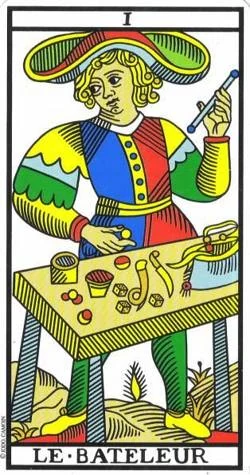
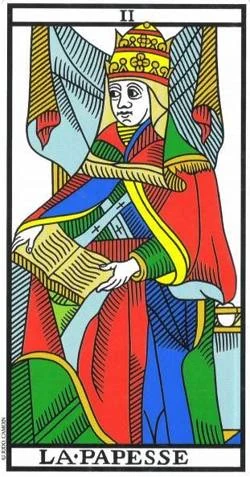
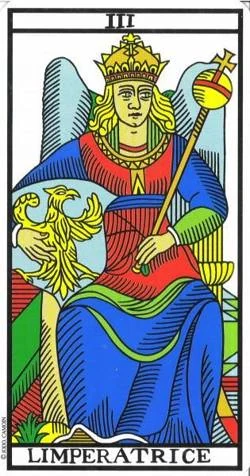
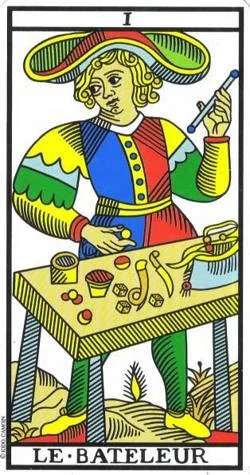
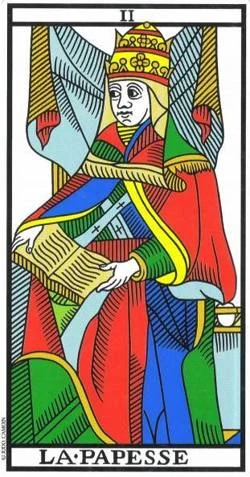
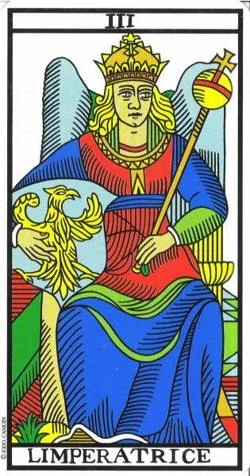
The Marseille (17th century) has figurative illustrations only on the 22 major arcana. The minor arcana are geometric patterns. The Rider-Waite's numerological and kabbalistic correspondences (Golden Dawn, late 19th century) don't exist in the Marseille.

Can I read my own tarot?

Yes. Esoteric tradition discouraged reading for oneself due to emotional involvement, but most modern readers do it regularly. Self-readings work best with simple spreads (1-3 cards) and insight-focused questions.

What if the Death card appears in my reading?

Card 13 (Death) rarely indicates physical death. In tarot symbolism it marks the necessary end of a cycle for the next to begin — a relationship ending, a job being left, an old version of oneself transforming.

You might also like