Online Tarot with AI
Online Tarot with AI — Explore the tools in this section and choose a reading for your question. Each page explains how it works and what the result includes.
Rider-Waite Tarot
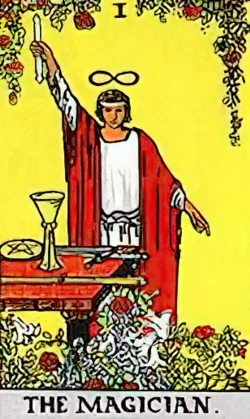
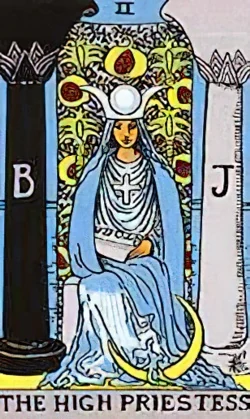
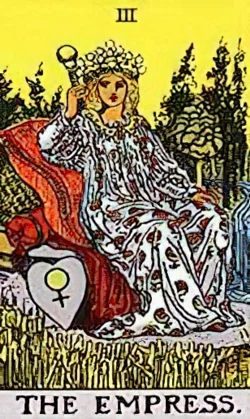
This application uses all 78 Rider-Waite cards: 22 major and 56 minor arcana.
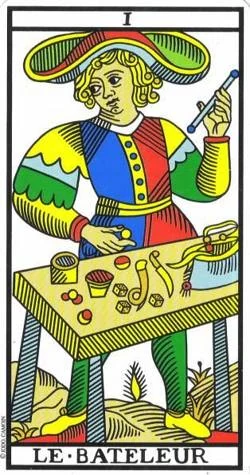
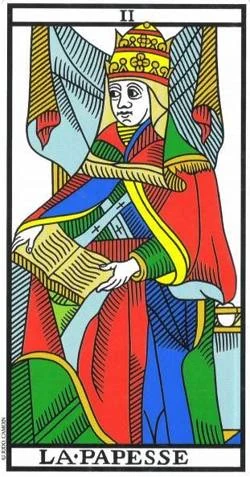
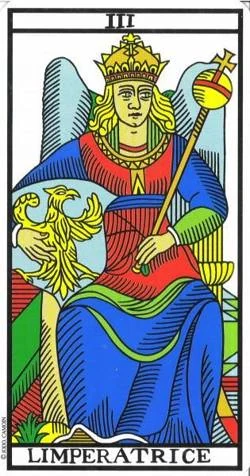
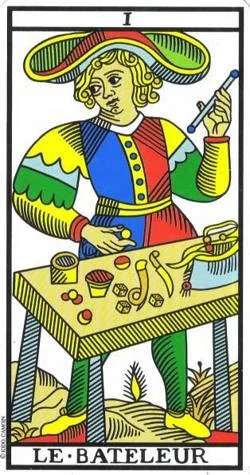
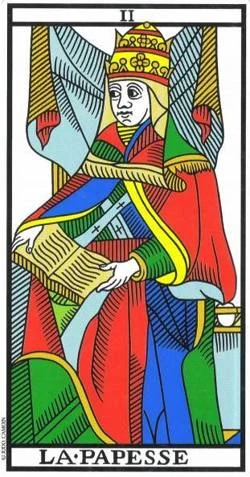
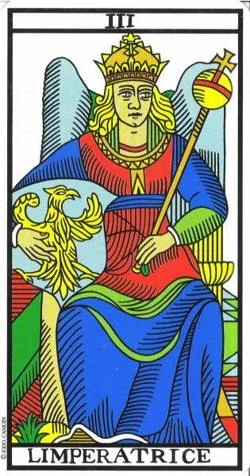
Marseille Tarot
This version of Marseille Tarot uses the 22 major arcana.
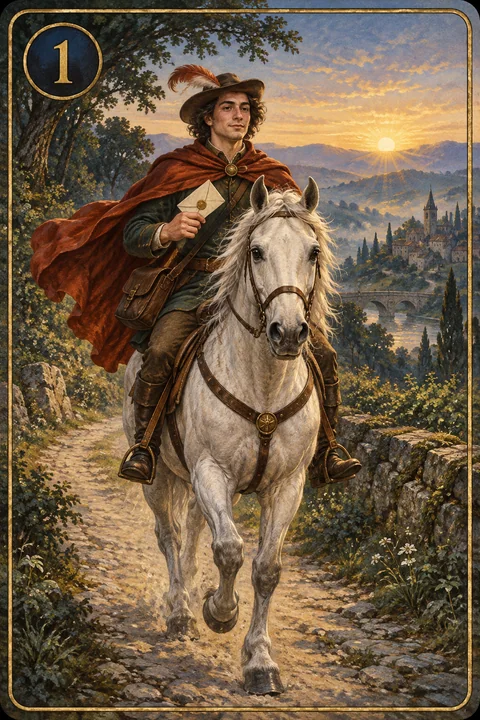
Lenormand Tarot
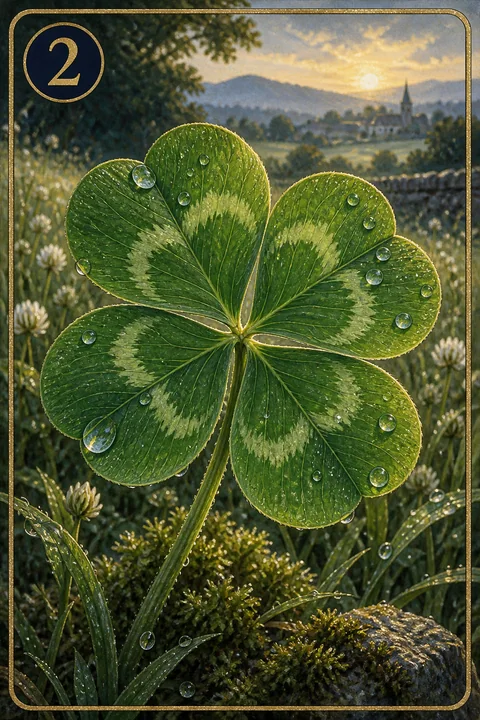
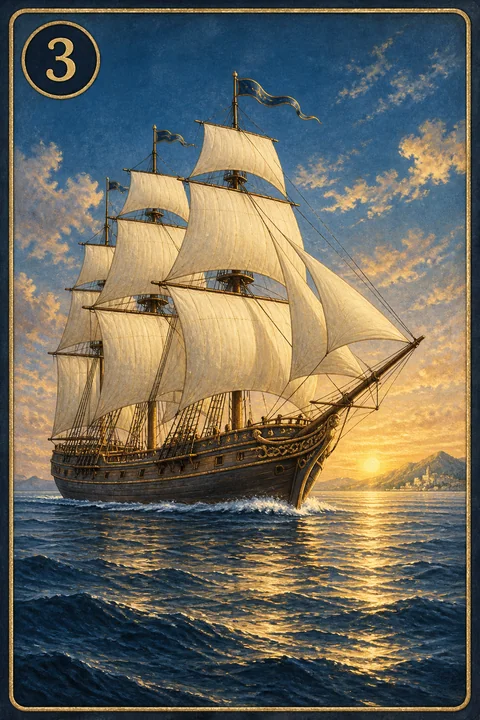
This application uses the 36 Lenormand cards, with symbols such as the Rider, Clover, Ship and House.
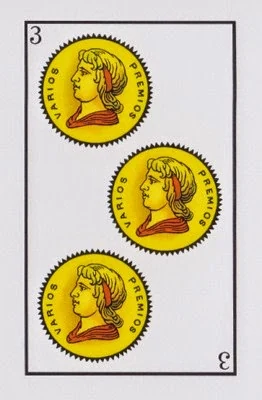
Spanish Tarot
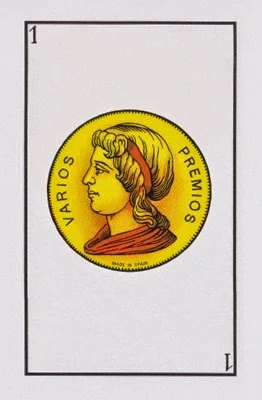
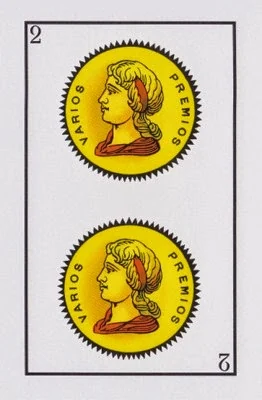
This application uses a 48-card Spanish deck with coins, cups, swords and clubs.
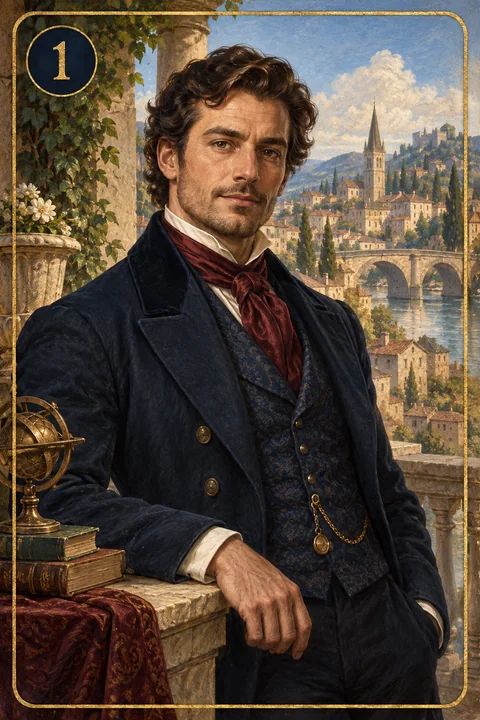
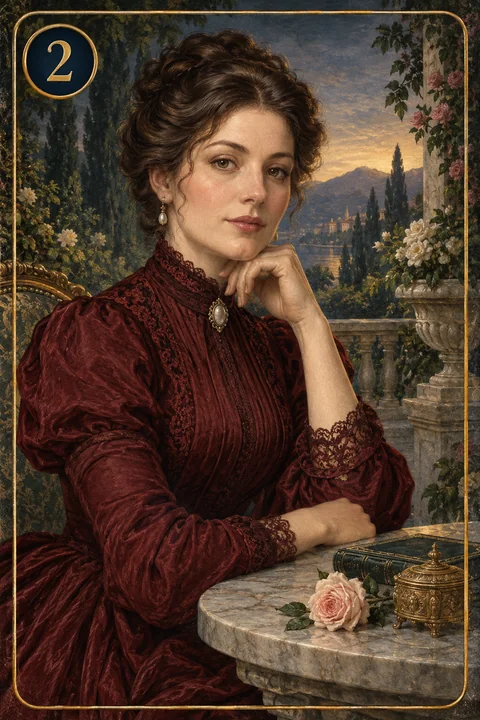
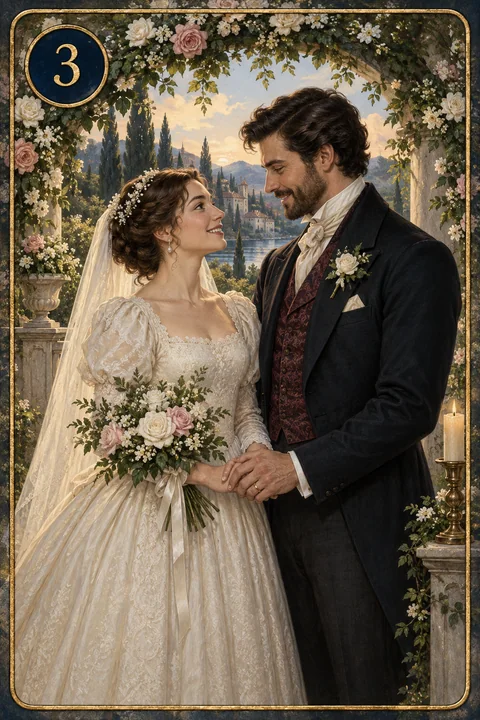
Gypsy Tarot
Explore Gypsy Tarot with 36 original illustrated cards. Enter your question, choose three cards and receive a combined AI reading.
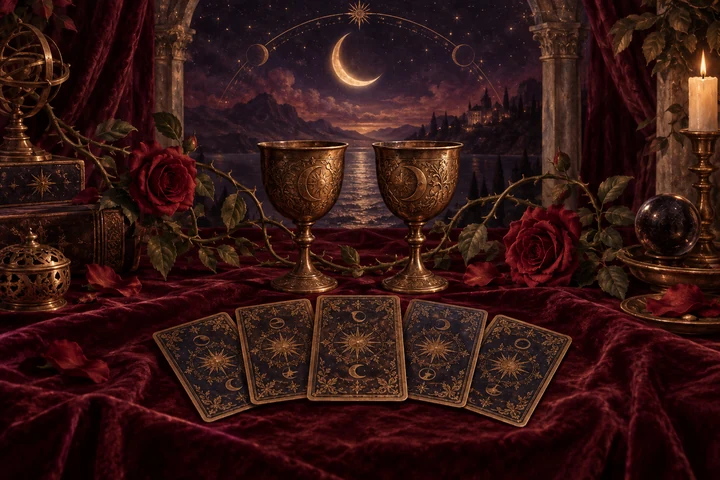
Love Tarot
Choose your relationship situation, ask your question and pick five cards. Receive a brief AI reading and save it without signing...
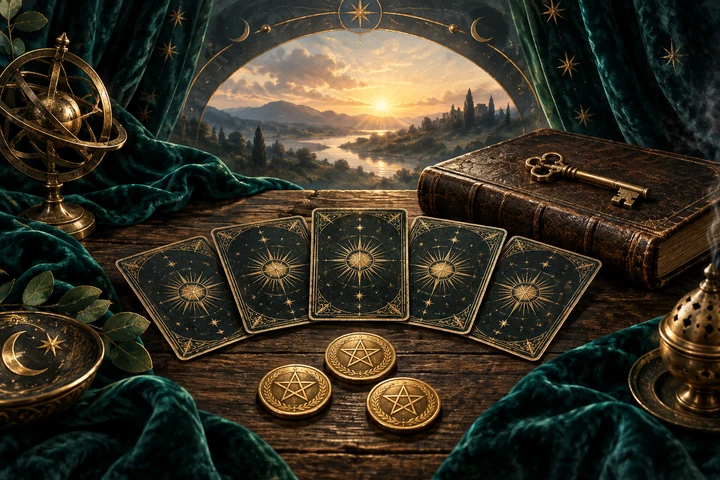
Work & Money Tarot
Ask about finding work, your current job, a project or your money. Choose five cards for a brief AI reading you can save without ...
Poker Tarot
This application uses 52 poker cards without jokers, divided into hearts, diamonds, clubs and spades.
Yes or No Tarot
Free Yes or No Tarot: think of a question and choose three of the 22 Major Arcana. Writing it is optional. Get a brief answer and...
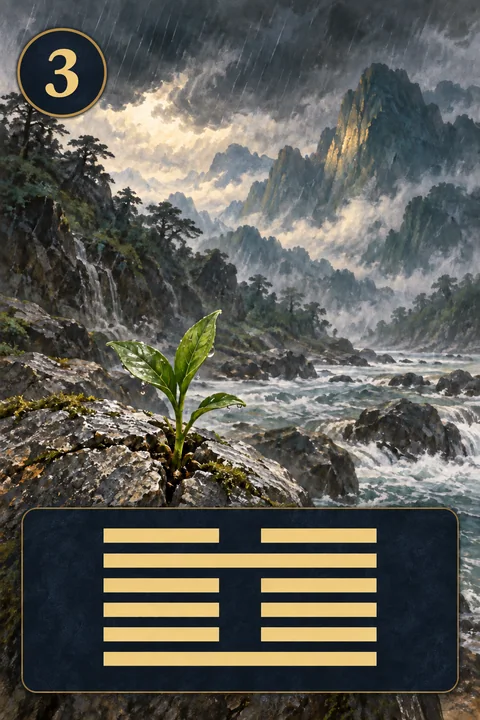
I Ching Answers
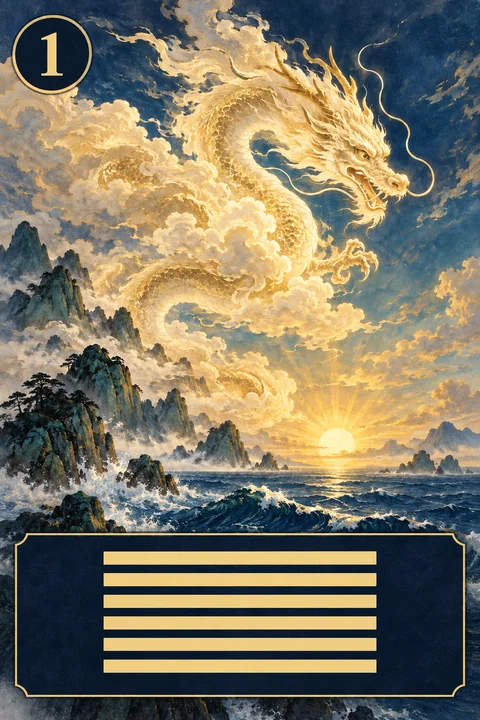
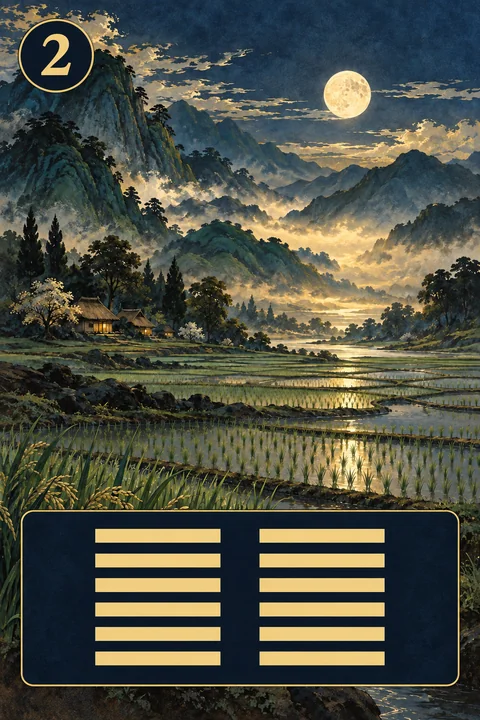
This card variant uses the 64 hexagrams.
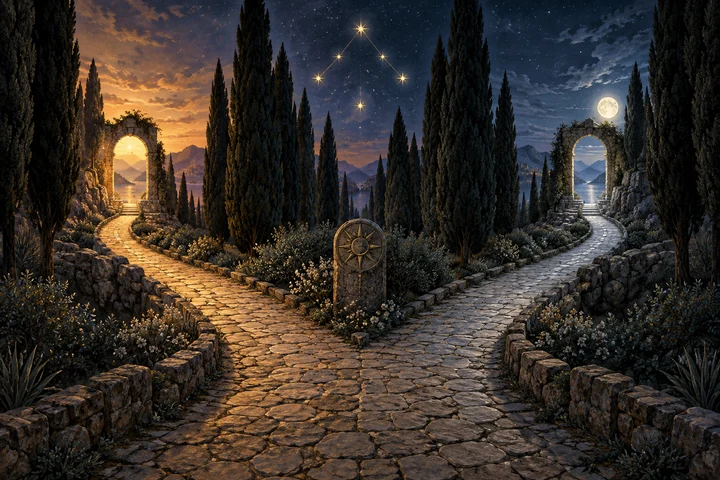
Two Paths Tarot
Compare two options with seven tarot cards: your situation and the potential, challenge and advice for each path. An AI reading y...
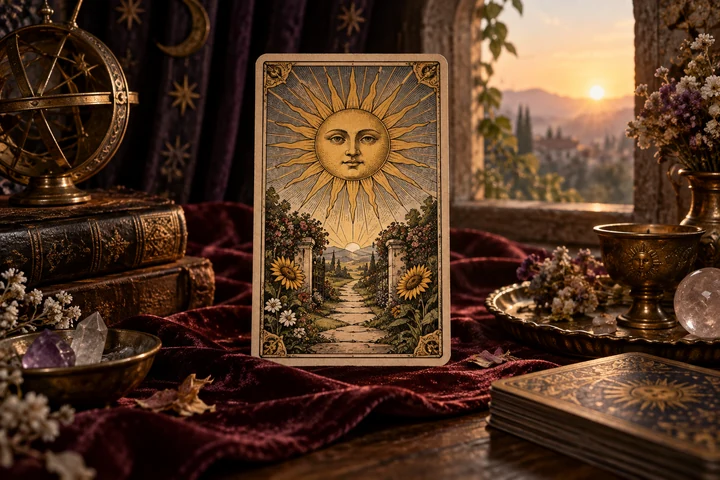
Card of the Day
One card to accompany your day. Discover its message and a practical suggestion. Your draw stays in this browser. No account need...
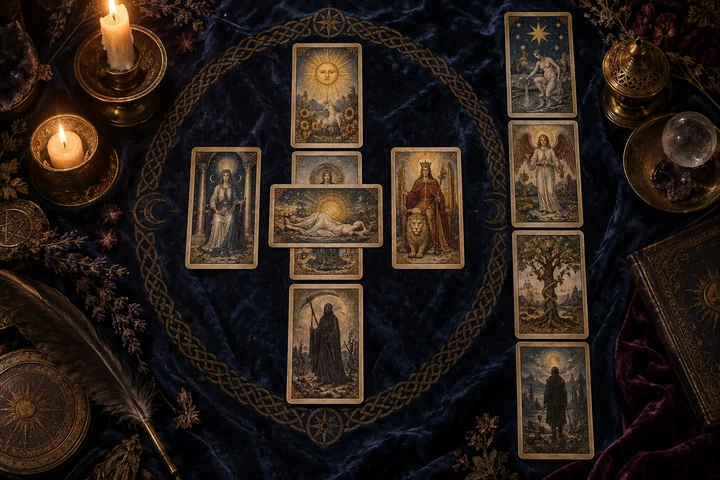
Celtic Cross Tarot
Ten cards around your situation. One clear, brief answer. Select Save reading when it is complete.
Past, Present & Future Tarot
What you carry forward, where you stand and where your situation may lead. Select Save reading when it is complete.
Weekly Tarot
Three cards for your week: outlook, opportunity and caution. Your draw stays in this browser. No account needed.
Interpret your own cards
Choose the cards from your deck and their orientation. Receive one reading of your question.
Your birth arcana
Your birth date becomes a pair of major arcana, or the special group of three.
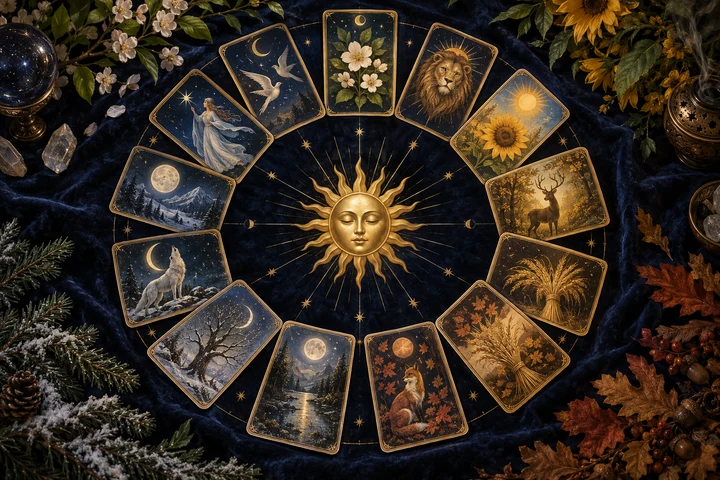
Year Ahead Tarot
Twelve months, twelve cards. A message for each month and the thread connecting your year.
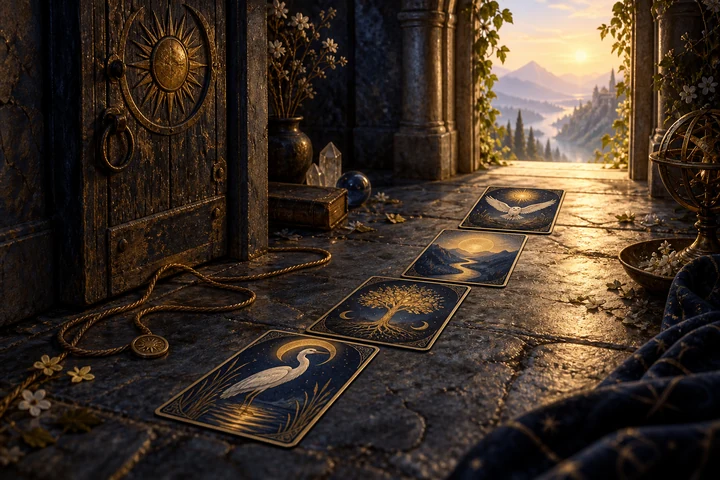
Tarot for Closing a Chapter
What has ended, what holds you back and how to move on while keeping what matters.
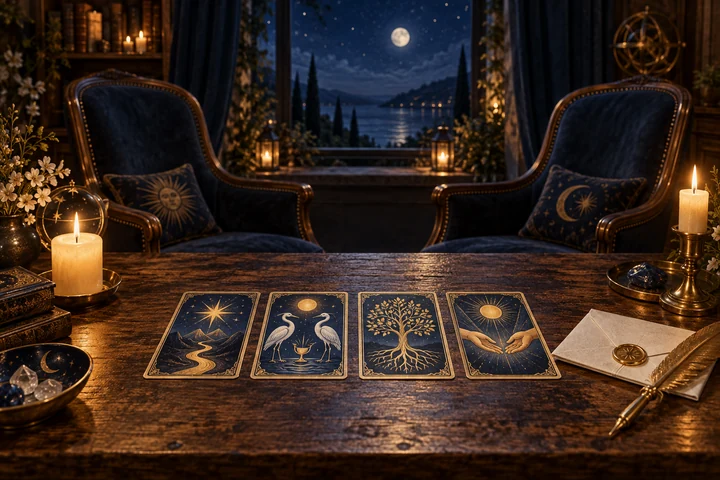
Tarot for a Pending Conversation
Four cards to prepare what to say, how to approach it and where to begin.
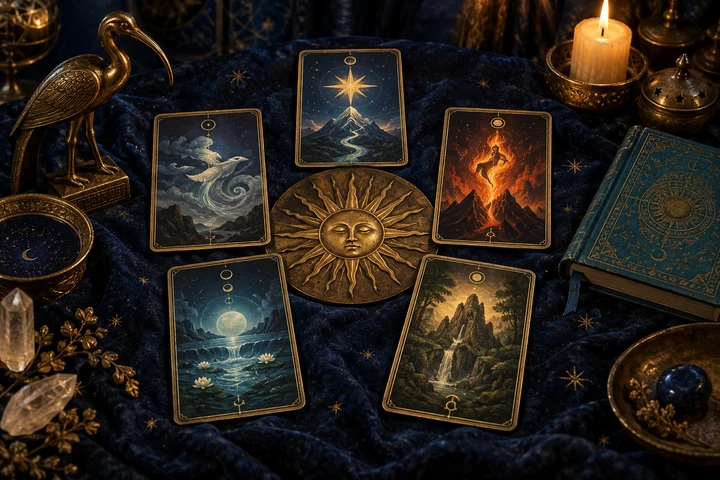
Thoth Tarot
Five cards that come together to answer your question.
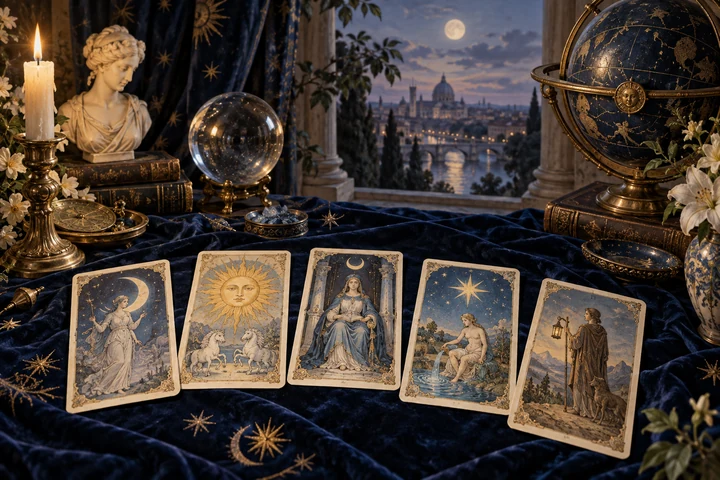
Etteilla Tarot
Five cards from a different deck. A clear answer to what is on your mind.
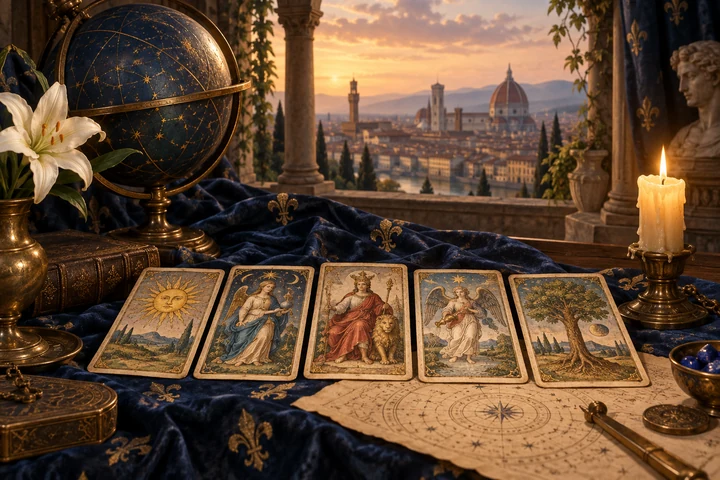
Renaissance Tarot · Minchiate
Five cards from an original 97-card deck. One clear answer to your question.
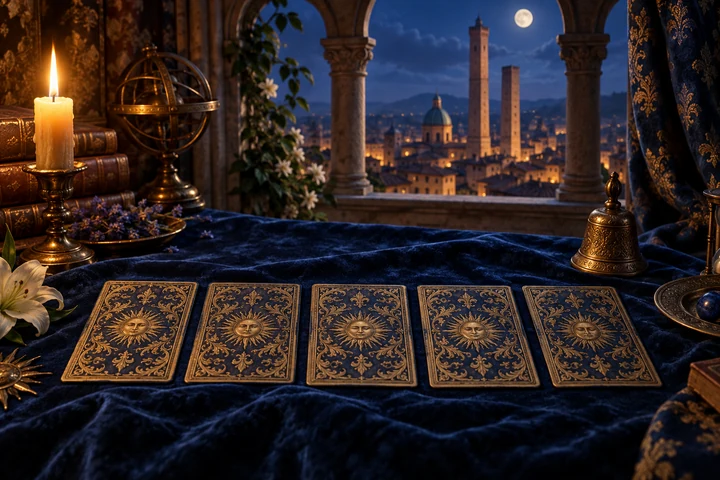
Tarot of Bologna · Tarocchino
Five cards from an original 62-card deck. A joint reading focused on your question, with a clear answer and a useful next step.
Tarot is a system of 78 cards combining medieval symbolism, Renaissance allegory, and esoteric correspondences developed in the 18th and 19th centuries. Each deck is a complete visual language: major arcana depicting archetypal stages — the Fool, the Magician, the Empress, Death, the Tower — and minor arcana divided into four suits reflecting the four classical elements (wands, cups, swords, pentacles).
At Tarotsim you'll find ten classic decks with AI interpretation: from the iconic Rider-Waite of 1909 to the austere Marseille of the 17th century, the oracular Lenormand of the Napoleonic era and the traditional Gypsy deck Kipper, plus thematic readings for love, work and yes/no questions. All free, no signup, in seconds.
What is tarot
Tarot emerged in northern Italy in the 15th century as a card game — trionfi, "triumphs" — before acquiring the divinatory use we know today. The turn came in the late 18th century, when French occultist Antoine Court de Gébelin proposed that the arcana held lost Egyptian wisdom. There was no historical evidence for the claim, but the idea stuck, and from it grew the entire esoteric tarot tradition.
The classic deck has 78 cards: 22 major arcana (numbered 0 to 21) and 56 minor arcana in four suits of fourteen cards, four of which are court cards — Page, Knight, Queen, and King.
How AI reading works
Each Tarotsim tool digitally shuffles the cards, deals the spread you choose, and sends the result along with your question to an AI model. The AI doesn't predict the future: it produces a symbolic interpretation of the cards drawn, grounded in the traditional meaning of each arcanum, and adapts the reading to your concrete question.
The process takes a few seconds. We don't store the question or the response. Each consultation is independent.
Which deck to choose
If you've never read tarot, start with the Rider-Waite: Pamela Colman Smith's illustrations are the most recognizable. For more archaic aesthetics and raw medieval symbolism, the Marseille is the classic choice. For more practical, narrative answers, the Lenormand works with 36 cards and everyday symbols.
Frequently asked questions
Is AI tarot reading accurate?
The AI interprets the cards drawn based on traditional symbolism, but has no real access to your future. Tarot "accuracy" — also in physical method — lies in the symbolic resonance the querent finds between the cards and their situation, not in objective prediction.
Can I ask multiple questions in a row?
Yes, but traditionally one question per reading is recommended to maintain symbolic focus. Repeating the same question expecting a different answer is a pattern to avoid.
Which deck is best for beginners?
The Rider-Waite: figurative illustrations on all 78 cards (including minor arcana, which the Marseille lacks), abundant literature available, and being the implicit reference of most contemporary tarot readers.