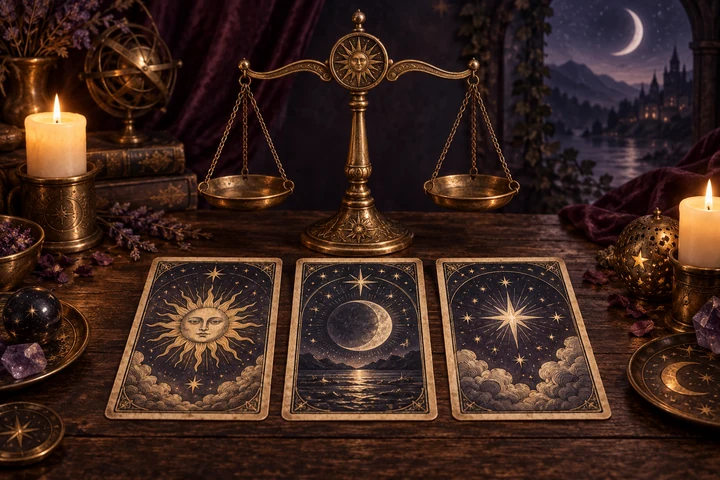
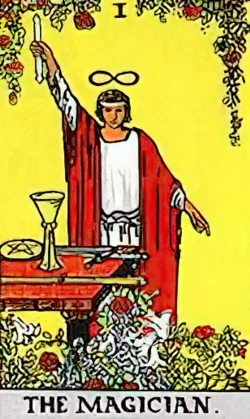
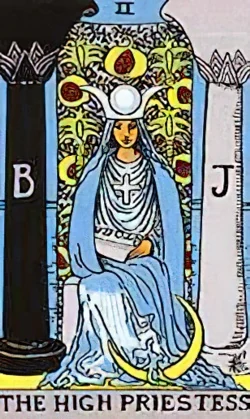
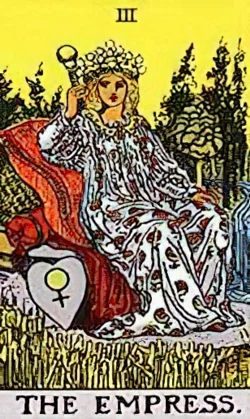
Think of a question, choose three cards and see which way the reading leans.
✦
How the answer is decided
This variant uses all 22 Major Arcana, without reversals. Two or three favourable cards mean YES; two or three unfavourable cards mean NO. Every other combination means NOT CLEAR YET. Each card has a fixed tendency: the question does not change the shuffle.
Choose your three cards
Take a moment, think about your question and pick three cards from the deck.
The cards are being revealed…
Your answer will appear in a few moments.
Your answer
Your three cards
A symbolic reading for entertainment.
Free Yes or No Tarot: think of a question and choose three of the 22 Major Arcana. Writing it is optional. Get a brief answer and save your reading.
What this tool helps you explore
A quick reading for a question that can be answered yes or no. Three major arcana provide a tendency and a short message; “Not clear yet” can appear when the combination does not lean either way.
How to use it
Think of one simple question, such as “Would it help to return to this project?” Writing it is optional. Choose three different cards and wait for the reading to finish. Your wording does not affect the draw.
Reading your result
The answer follows fixed card rules, without AI. A favourable result is not a guarantee, and an uncertain one is not an error. Read the accompanying message and compare it with what you know about your situation.
Frequently asked questions
How the answer is decided
This variant uses all 22 Major Arcana, without reversals. Two or three favourable cards mean YES; two or three unfavourable cards mean NO. Every other combination means NOT CLEAR YET. Each card has a fixed tendency: the question does not change the shuffle.
Does this use artificial intelligence?
No. The answer follows fixed rules for your three chosen cards; your question is not sent to any AI provider.
Can I save my reading?
Yes. My readings stores your question, answer and cards in this browser. You can add notes and download it as text.
What happens when I start again?
The form is cleared and the deck is shuffled again. Any readings you have saved are kept.