Lenormand-Tarot
Konsultiere die mystischen Karten des Lenormand-Orakels
Konsultiere die mystischen Karten des Lenormand-Orakels
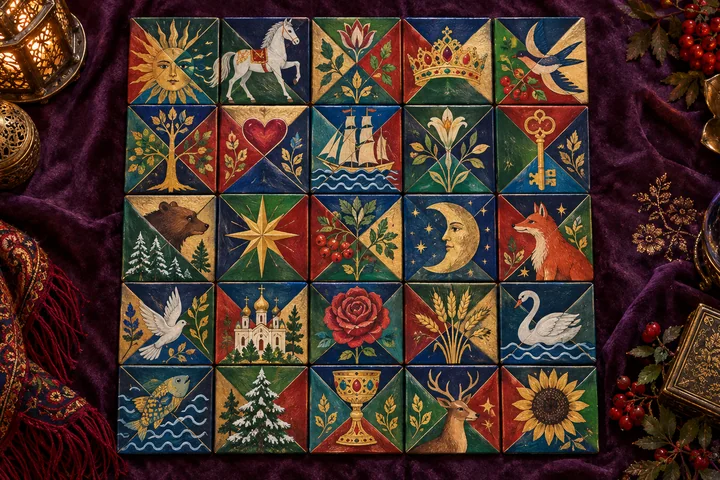
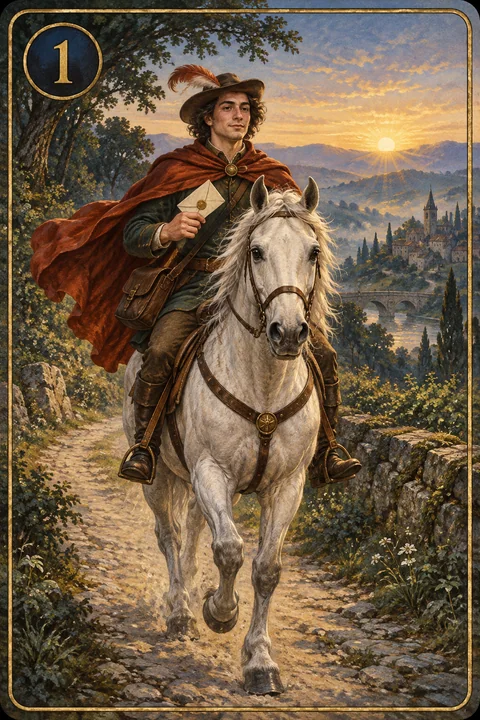
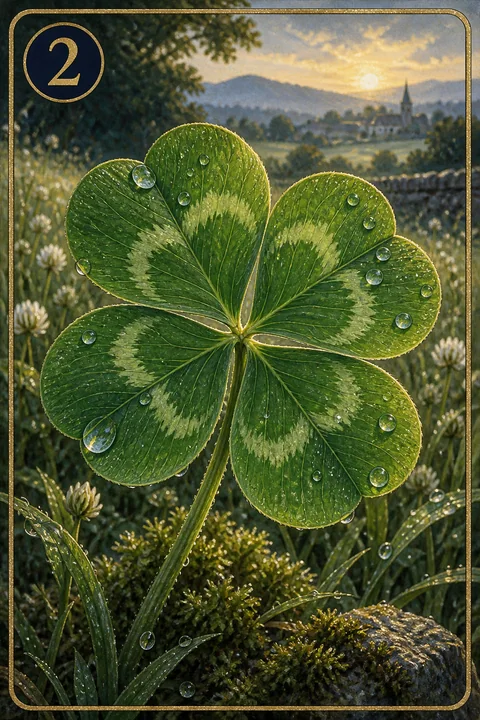
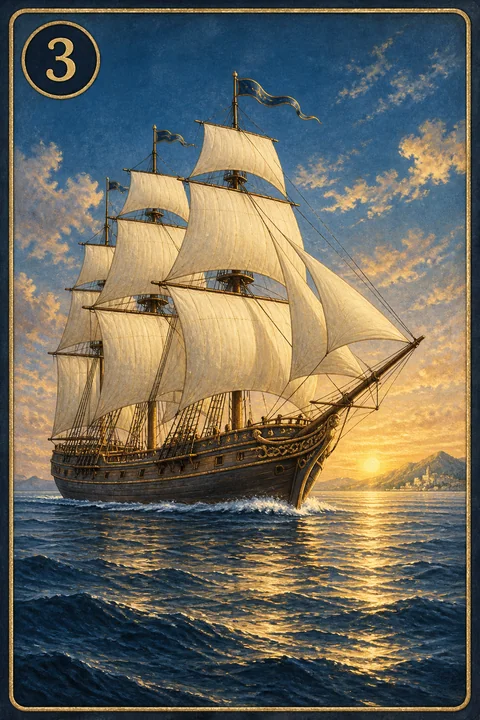
This application uses the 36 Lenormand cards, with symbols such as the Rider, Clover, Ship and House.
Lenormand symbols gain nuance when read together. One card may introduce a subject while another describes movement, tone or stability. Build a sentence between the three images before settling on an isolated keyword.
This application uses the 36 Lenormand cards, with symbols such as the Rider, Clover, Ship and House. AI interprets the three chosen cards in relation to your question. Enter a clear question and choose three of the facedown cards. Wait for the animation to finish and the reading to appear. Positions follow the order in which you choose the cards; they are not assigned past, present and future. The reading offers a symbolic interpretation to reflect on your question.
With (1) The Rider, (27) The Letter and (35) The Anchor, one thread could be communication seeking continuity: movement, a message and a point of support. In a collaboration question, consider how contact might become a sustained exchange. The third card nuances the whole without fixing a date.