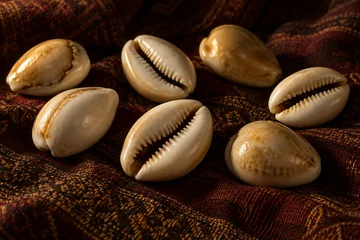
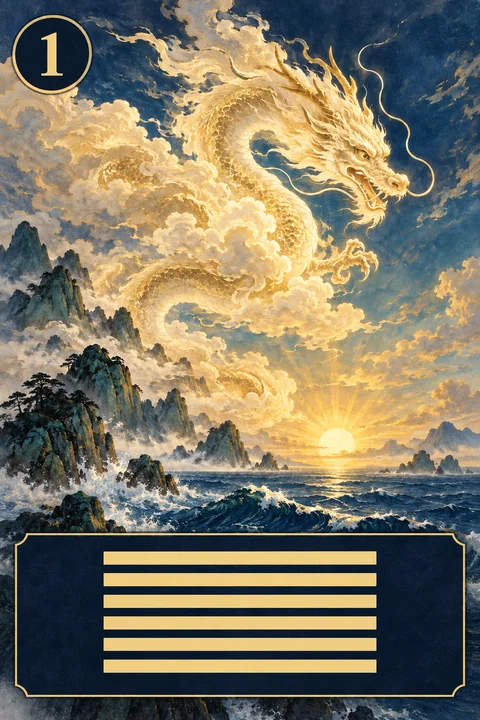
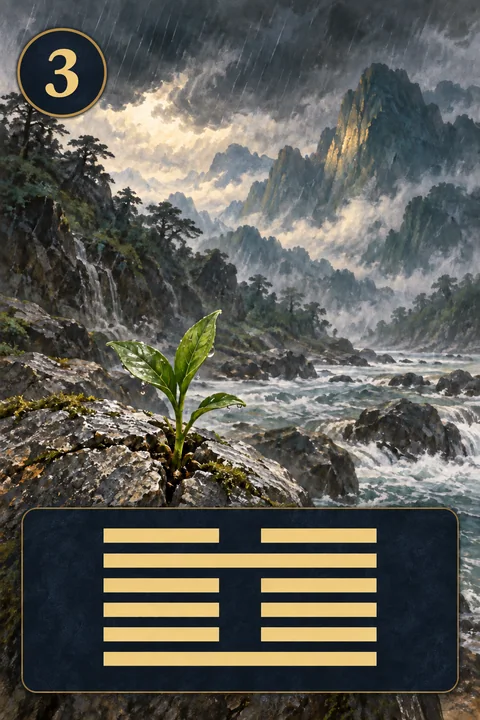
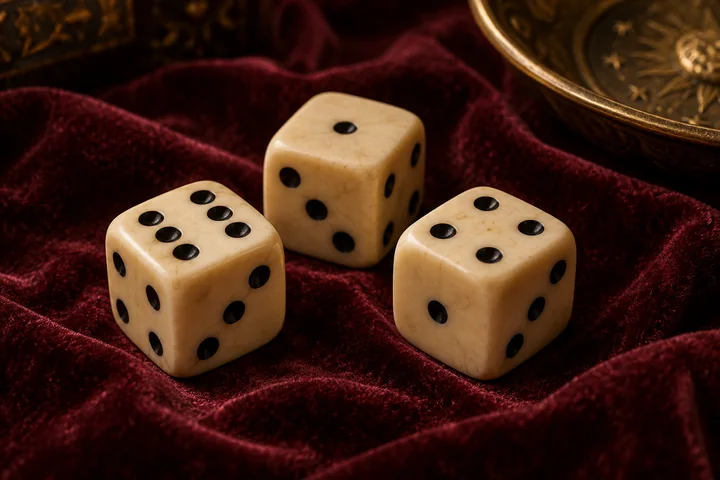
Three shells, one connected reading. Hold your situation in mind and discover your background, the present need and a possible way forward.
Focus your mind on a question. When you are ready, cast the shells into the sea.
How this reading works
An original oracle inspired by marine forms. Three distinct shells are drawn from sixteen; their meanings and positions shape the reading. It does not reproduce a traditional ritual or predict certain events.
🐚
🐚
🐚
The shells dance upon the waves...
The Reading of the Sea
✦ ✦ ✦
Your reading, connected
🌊
🌊
The sea is turbulent. Please try again.
Cast three different shells from a catalogue of 16.
Let the image raise a question and notice what changes when you pause over its details.
The reading and its nuances
Each shell contributes an image and a message that changes with position. Read past, present and future before the colour summary. This distinguishes each symbol's meaning from the combined tone assigned by this variant.
How this consultation works
Cast three different shells from a catalogue of 16. They represent past, present and future; the final message combines their colours according to this application's rules. Retrying preserves the draw.
An example reading
The Nautilus in the past can make its spiral an image for considering stages of growth. Another position changes the question. If a red symbol also appears, the summary prioritises caution; it neither erases individual readings nor announces an inevitable event.
Frequently asked questions
How is the colour message formed?
Red takes priority; then dark and light tones are compared to choose change, flow or abundance. The remaining case alternates between reflection and mystery. A retry keeps the same selection.
How can I focus the consultation?
Choose one subject and a clear question. If the tool has no question field, keep it as a personal reference. Connect the symbol with a specific situation and note both what fits and what remains open.
Can a new consultation give a different result?
Yes. A new draw may select different symbols. The same symbol, language and position keep their catalogue text; combinations also depend on the other pieces. The pauses accompany the experience without changing the meaning.
How can I connect the reading with real life?
Separate the symbol from what you know through experience. Use its contrast to ask a question or explore a possibility; examples illustrate a reading without certifying facts or fixing the future.
Can I keep the result and add notes?
Use Save reading once the result is complete. In My readings you can reopen it, add notes and download it as text. Data stays in this browser; use the library backup if you want to keep it when changing devices.